
Putter Inserts
About Milling
Explaining putter milling types takes more than this section, but we can at least review some of what putterparts.com offers and why. It's not about advantage or disadvantage, but it's more about preference and customization.

Milled Smooth vs. Milled Grooves on Putters
Conceptually, grooves grip the ball and a smooth face does not (both examples shown in the pic above). Throughout the history of putters, each method as performed well and sold well, it just depends what suits the player at a particular time.
In a Feherty interview on Golf Channel, Lee Trevino once stated he wanted the putter face so smooth and slick, he applied a thin layer of vaseline to the face (when no one was looking we hope, or he was joking). Others prefer the opposite, where they feel roll starts more consistently if the putter face grips the ball at impact, like grooves do. It's dependent on swing speed, loft, angle of impact, ball cover material, face material and more.
Standard Milled Grooves
What we term "standard milled grooves" are probably the most common. We gather popularity surged the most when Scotty Cameron adopted them for some of his putter lines. We programmed this milling because golfers demanded the ability to affix this face technology to their putter with a removable face.
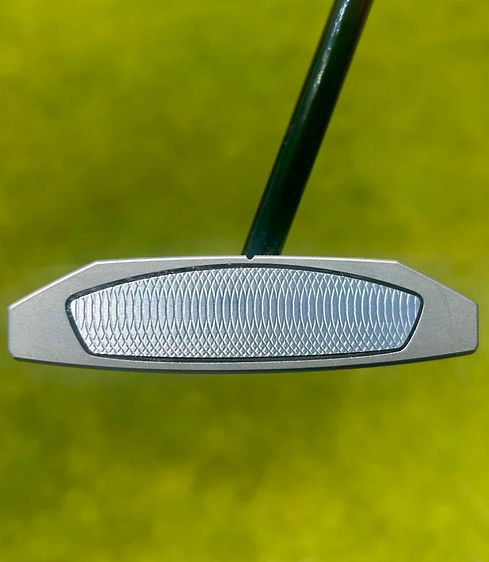
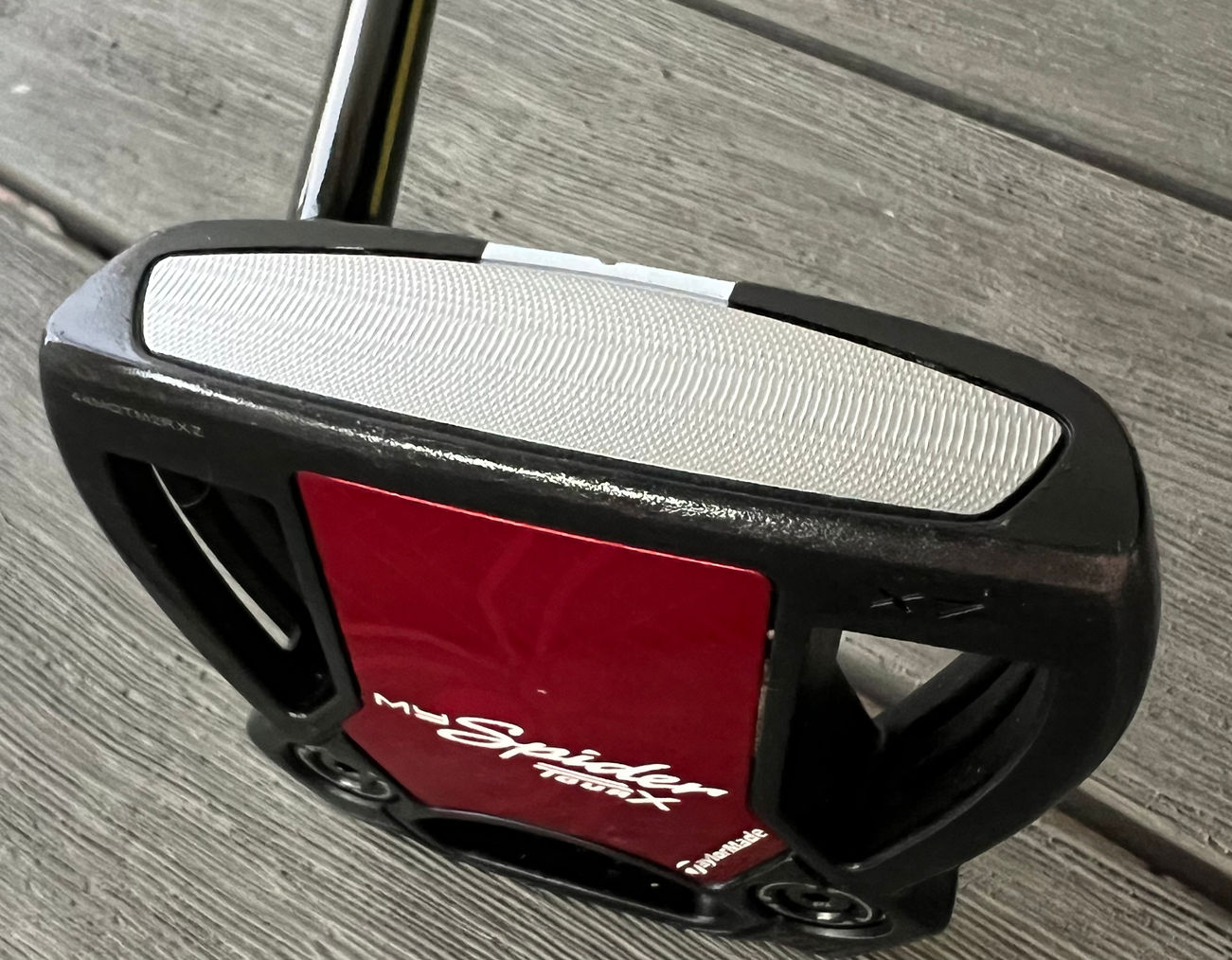
Milled Micro-Grooves
In between standard grooves and smooth, there has to be an option in the middle. Hence milled micro-grooves was born. This face grips, but to a lesser degree compared to standard. On a recent trip to PGA Superstore, we spotted Mizuno adopted this milling on their latest line of putters. Our services offer this to be applied to Odyssey, TaylorMade, PING and more.